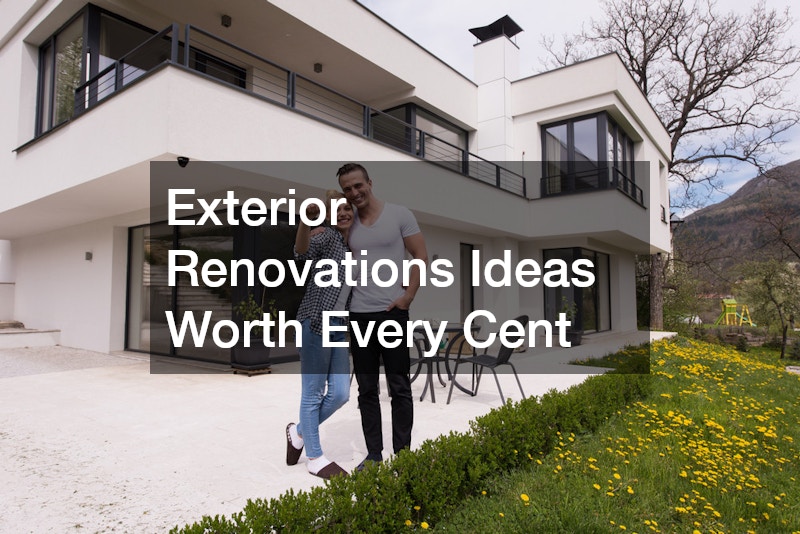
Exterior home improvements offer a powerful way to boost property value, enhance daily enjoyment, and protect structural integrity against natural elements. Investing in your home exterior transforms raw curb appeal into long-term equity while establishing an inviting retreat for family and guests. While interior remodeling frequently commands attention, smart exterior updates deliver exceptional returns on investment by sealing the building envelope, reducing ongoing maintenance costs, and creating functional outdoor living spaces. Every dollar spent on exterior updates should balance aesthetic charm with mechanical and structural durability. Choosing projects that yield high functional returns ensures that your home remains resilient, comfortable, and visually striking for decades. To make the best decisions for your property, homeowners must evaluate updates based on material longevity, professional craftsmanship, and overall functional performance. Focusing on well-planned upgrades prevents costly repairs down the line while instantly elevating the neighborhood standing of your property. By prioritizing high-impact areas such as structural protection, outdoor living spaces, boundary management, and ground preparation, you create a harmonious blend of beauty and practicality that pays dividends for years to come.
Enhancing Curb Appeal Through Structural Stonework
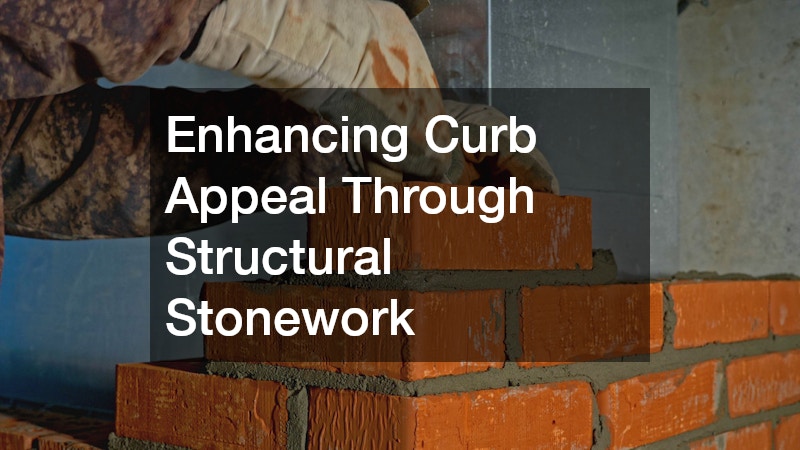
Natural stone and brick add an unmistakable sense of permanence and classic beauty to any home facade. When planning structural updates such as entry stoops, retaining walls, or decorative facade veneers, selecting high-grade materials ensures your property stands up against freeze-thaw cycles and heavy rain. Homeowners looking to restore crumbling brickwork or install custom stone pathways often hire a professional masonry service to guarantee precise mortar mixing and proper structural anchoring. Working with experienced trade specialists prevents moisture intrusion behind the stone veneer, which is a common cause of costly structural deterioration in older residences.
-
Choose high-density stones like granite or fieldstone for areas exposed to heavy moisture and foot traffic.
-
Inspect existing mortar joints annually for hairline cracks that allow water penetration during winter freezes.
-
Apply a breathable siloxane sealer to new stonework to prevent water penetration without trapping interior vapor.
Integrating Timeless Architectural Accents
Architectural stonework should always complement the original style of your residence rather than compete with it. Adding stonework around window casing frames, accent arches, or lower foundation walls creates a grounded, tailored appearance that elevates standard siding. Proper installation requires careful attention to drainage gaps behind thin-cut stone veneers so that trapped moisture can easily escape through lower weep holes.
-
Match the color undertones of your natural stone to existing exterior trim, roof shingles, and front doors.
-
Install continuous drainage mats behind exterior stone installations to channel stray water away from wall framing.
Maximizing Warmth and Safety in Outdoor Living

Inspecting Fire Features Prior to Winter
Outdoor fireplaces and rustic brick chimneys serve as wonderful focal points during cool seasonal evenings, but they require diligent oversight to operate safely. Burning wood over extended periods leaves heavy deposits of combustible creosote along internal flue liners, which can lead to hazardous structure fires if ignored. Scheduling a certified chimney sweep service before the start of autumn ensures all buildup, soot, and bird nests are removed from the interior flue. Professional maintenance also involves checking the top crown for hairline cracks that could let rainwater inside during severe storms.
-
Schedule flue inspections every autumn to verify clear airflow before lighting the season’s first fire.
-
Burn only seasoned hardwoods to minimize sticky creosote buildup inside the flue liner.
-
Check the exterior mortar near the top of the flue stack for crumbling joints caused by thermal expansion.
Maintaining Functional Venting Systems
Keeping exterior heating vents, fire pits, and chimneys clear of debris guarantees safe exhaust flow and prevents carbon monoxide buildup. Metal spark arrestors and heavy wire chimney caps should be cleaned regularly to prevent leaves and small twigs from clogging exhaust outlets. Replacing worn metal flashing around the base of external chimneys prevents rain from leaking into interior ceilings and adjacent exterior walls.
-
Install stainless steel chimney caps with mesh screen borders to block wildlife and windborne debris.
-
Replace cracked concrete chimney crowns immediately to prevent rainwater from penetrating internal brick cores.
Tackling Large-Scale Yard Transformation Projects

Renting Heavy Machinery for Grading Tasks
Major outdoor transformations often begin with heavy earth-moving tasks such as reshaping uneven lawns, clearing dense brush, or digging footings for retaining walls. Trying to complete these labor-intensive projects with simple hand tools leads to physical exhaustion and prolonged project schedules. Homeowners who prefer a hands-on approach often turn to landscaping equipment rentals to acquire compact track loaders, mini excavators, and power augers for weekend site prep. Utilizing professional-grade machinery speeds up ground leveling and ensures proper soil compaction before laying down expensive pavers or fresh sod.
-
Obtain proper safety equipment and operational training before operating mini excavators or heavy skid steers.
-
Always call local utility locating services before operating heavy excavation equipment in residential yards.
Sourcing Bulk Earthworks and Decorative Stone
Executing a grand outdoor vision requires large quantities of high-quality organic materials, topsoil, river rocks, and crushed gravel base. Purchasing these bulk items in individual bags at retail stores is both inefficient and unnecessarily expensive. Partnering with professional landscape supply services provides access to bulk pricing, superior organic compost blends, and direct-to-site delivery options. Bulk suppliers can also recommend the precise stone aggregate gradations needed for stable driveway bases, efficient French drains, and decorative garden pathways.
-
Calculate total cubic yardage accurately before placing bulk orders for topsoil, gravel, or wood mulch.
-
Order angular crushed stone rather than rounded pea gravel when building base layers for heavy footpaths.
Transforming Raw Grounds into Functional Hardscapes

Designing Multi-Tiered Garden Beds
Sloped properties present unique drainage and usable space challenges that require clever hardscaping solutions. Transforming steep hillsides into multi-tiered garden beds creates functional planting zones while stemming erosion during torrential rainfall. Complex slope management projects often require the technical skill of a licensed landscaping contractor who understands structural wall engineering and subterranean water redirection. Professional design plans ensure that retaining walls feature proper weeping pipes, gravel backfill, and tie-back anchors to resist hydraulic pressure.
-
Incorporate perforated drain tiles behind retaining walls to relieve hydrostatic water pressure build-up.
-
Plant deep-rooting groundcovers along steep banks to anchor loose soil alongside retaining wall structures.
Working Alongside Skilled Exterior Specialists
Collaborating with experienced field specialists ensures that complex outdoor ideas transition smoothly from initial conceptual sketches to completed structures. A well-planned hardscape layout considers sun exposure patterns, mature tree root growth, and surface water drainage paths. Hiring qualified installation crews guarantees that subgrade soil is compacted to precise engineering standards before laying patio pavers or building natural stone walls.
-
Review past project portfolios to confirm experience with structural retaining walls and custom pavers.
-
Demand detailed written contracts outlining project timelines, material specifications, and cleanup expectations.
Creating Elevated Wooden Outdoor Entertainment Hubs
Selecting Weather-Resistant Composite Materials
An elevated wooden or composite platform serves as the ultimate bridge between indoor living spaces and the surrounding backyard. Designing a durable platform requires picking materials that withstand constant sun exposure, heavy rain, and seasonal snow accumulation. Engaging a knowledgeable deck builder allows homeowners to explore modern composite boards that offer the beauty of real wood without the need for constant sanding and staining. Experienced builders ensure structural framing uses pressure-treated joists spaced appropriately to prevent future board sagging and bounce.
-
Choose hidden fastener clips rather than top-driven screws to create a clean, splinter-free deck surface.
-
Apply joist tape along top framing surfaces to prevent water from rotting structural pressure-treated lumber.
Hiring Experienced Carpentry Professionals
Custom outdoor structures demand precision framing, secure ledger board attachment, and strict adherence to local building codes. Improper ledger board installation is a primary cause of structural platform failures, making expert installation critical for family safety. Master carpenters ensure that heavy supporting posts sit firmly atop poured concrete footings positioned well below the local frost depth line.
-
Ensure ledger boards are secured to the main house rim joist using code-approved stainless steel structural screws.
-
Install continuous metal flashing over the ledger board connection to stop water from seeping into the wall framing.
Securing Property Lines and Enhancing Privacy
Setting Posts Below the Local Frost Line
Establishing clear property boundaries adds immediate security, keeps pets safe, and creates private outdoor living quarters for your family. However, a barrier is only as strong as its subterranean anchor posts, which must endure ground shifts and high winds. Hiring a specialist for your home fence installation guarantees that post holes are dug to proper depths and surrounded by fast-setting concrete. Professional installers take local frost depths and soil drainage conditions into account so that posts remain straight and plumb for decades without sagging.
-
Set support posts in concrete footings angled slightly at ground level to shed water away from posts.
-
Use hot-dipped galvanized or stainless steel fasteners to prevent unsightly rust stains on wooden pickets.
Choosing Sturdy Materials for Long-Term Security
Selecting the ideal boundary material depends heavily on your maintenance preferences, privacy requirements, and neighborhood aesthetic. Vinyl and aluminum systems provide low-maintenance durability, while cedar and redwood offer natural warmth that ages into a silver patina. Treating wooden barriers with clear water repellents every few years prevents warping and splitting caused by sun exposure and humidity.
-
Leave a two-inch gap between bottom pickets and the ground to prevent moisture rot from soil contact.
-
Choose commercial-grade vinyl systems with titanium dioxide additives to protect against solar ultraviolet degradation.
Protecting the Entire Structure from Severe Weather
Upgrading Overhead Shingles for Longevity
The overhead shelter on your home acts as the primary defense against heavy rains, hail, windstorms, and intense solar radiation. Neglecting minor roof leaks leads to rapid structural timber rot, destroyed attic insulation, and hazardous indoor mold growth. Investing in comprehensive residential roofing replacements ensures your home remains completely watertight while significantly improving insulation efficiency. Working with certified local roofers guarantees that asphalt shingles or metal panels are installed over high-grade synthetic underlayment, complete with ice and water shields along roof valleys and eaves.
-
Inspect roof valleys, vent pipes, and chimney flashing twice a year for signs of cracked sealant or uplifted shingles.
-
Ensure ridge vents are installed along peak rooflines to maintain optimal attic airflow and reduce summer heat.
Partnering with Licensed Construction Crews
Replacing a complete overhead barrier requires coordinated teamwork, proper safety harness equipment, and meticulous cleanup practices. Qualified installation crews work efficiently to tear away aged shingles, inspect plywood decking for rot, and install heavy-duty drip edges. Selecting insured contractors with strong manufacturer certifications ensures your investment is backed by robust long-term material and labor warranties.
-
Verify that contractor crews use magnetic sweeps to collect stray roofing nails from lawns and driveways.
-
Ensure drip edges overlap the underlayment along rake edges and sit under the underlayment along bottom eaves.
Crafting a Backyard Oasis for Summer Relaxation
Balancing Water Quality with Automated Pumps
Adding an in-ground swimming feature transforms an ordinary backyard into a luxury personal resort perfect for summer entertainment. However, keeping water crystal clear requires precise chemical balances, active filtration systems, and consistent mechanical checkups. Enlisting professional pool services takes the guesswork out of water testing, equipment repair, and winterizing procedures. Qualified technicians inspect variable-speed pumps, clean filtration cartridges, and balance pH levels to ensure your swimming environment remains safe and sparkling clean throughout the season.
-
Run filtration pumps during off-peak energy hours to reduce electricity costs while maintaining water clarity.
-
Test chlorine and pH levels twice weekly during peak summer months to stop algae growth early.
Contracting Routine Maintenance for Peak Efficiency
Maintaining mechanical pumping systems, automated heaters, and saltwater chlorinators extends the operating lifespan of expensive backyard water installations. Routine pump motor inspections prevent costly burnouts caused by clogged plumbing lines or trapped air bubbles. Proper off-season winterization protects underground pipes and delicate heat exchangers from cracking when temperatures drop below freezing.
-
Inspect mechanical pump seals regularly to prevent water leaks around high-voltage electric motors.
-
Backwash sand filters whenever pressure gauges read eight to ten pounds above baseline operational levels.
Exterior home improvements offer a powerful way to boost property value, enhance daily enjoyment, and protect structural integrity against natural elements. Investing in your home exterior transforms raw curb appeal into long-term equity while establishing an inviting retreat for family and guests. While interior remodeling frequently commands attention, smart exterior updates deliver exceptional returns on investment by sealing the building envelope, reducing ongoing maintenance costs, and creating functional outdoor living spaces. Every dollar spent on exterior updates should balance aesthetic charm with mechanical and structural durability. Choosing projects that yield high functional returns ensures that your home remains resilient, comfortable, and visually striking for decades. Prioritizing quality materials and professional craftsmanship ensures that every improvement withstands severe seasonal weather and heavy daily use. As you embark on your home improvement journey, focus on balance, durability, and functional design to maximize your investment.