Before making any upgrades, it helps to understand where your home is losing energy in the first place. Many inefficiencies are invisible—hidden behind walls, tucked into attics, or quietly driving up your monthly bills without obvious signs.
A professional assessment can reveal these blind spots. For example, an experienced HVAC company can evaluate airflow, duct performance, and system efficiency. They often identify issues like uneven cooling, overworked equipment, or outdated components that are easy to overlook.
At the same time, insulation plays a surprisingly large role in comfort and cost. Gaps in insulation allow conditioned air to escape and outdoor air to seep in. Bringing in insulation services can help pinpoint where your home lacks proper thermal protection—whether in attic spaces, crawl areas, or behind walls.
Even if you don’t hire professionals right away, you can start with your own walkthrough. Pay attention to rooms that feel drafty, spaces that heat or cool unevenly, and areas where your energy bills seem disproportionate to usage. These clues often point directly to efficiency issues that can be improved without major construction.
Seal Air Leaks to Prevent Energy Loss
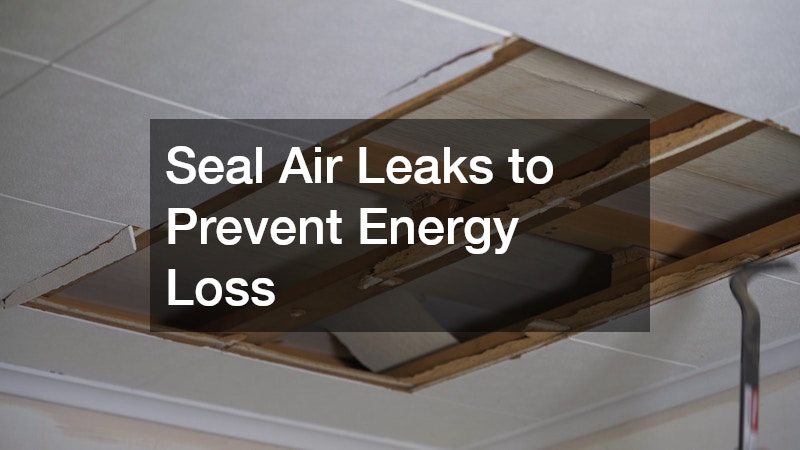
Air leaks are one of the most common and fixable causes of energy waste. You might not see them, but you can often feel them—especially near windows, doors, and attic access points.
Start with a simple test: on a breezy day, move your hand around window frames and door edges. If you feel air movement, you’ve found a leak. These small gaps may seem minor, but collectively they can significantly impact indoor temperature control.
Addressing these leaks doesn’t require major work. In fact, most fixes are quick and affordable:
- Apply weatherstripping around doors and windows
- Use caulk to seal small cracks and gaps
- Install door sweeps to block airflow at the bottom of exterior doors
Another area worth checking is the upper structure of your home. The roof and attic connection is a frequent source of air leakage. Warm air rises, and if it escapes through poorly sealed attic spaces, your heating and cooling systems have to work harder to compensate.
In some cases, reinforcing insulation services in these areas can dramatically improve efficiency. Even a modest upgrade can stabilize indoor temperatures and reduce strain on your systems.
Upgrade Your Water Heating Efficiency
Hot water is one of the largest energy expenses in most homes, yet it’s often overlooked when thinking about efficiency. If your system is outdated or poorly maintained, it could be costing you more than necessary every month.
A modern water heater installation can significantly reduce energy use while improving performance. Newer models heat water more efficiently and maintain temperature with less energy loss. Tankless systems, for example, only heat water when needed, eliminating the constant energy draw of traditional tanks.
Working with experienced plumbers ensures the system is installed correctly and safely. They can also recommend the right size and type of unit for your household, which is crucial for avoiding wasted energy.
Beyond equipment upgrades, small habit changes can also make a difference. Lowering your water heater temperature slightly, using cold water for laundry when possible, and fixing minor leaks all contribute to better efficiency over time.
Optimize Heating and Cooling Without Replacing Systems
You don’t need to replace your entire system to improve heating and cooling efficiency. In many cases, optimizing what you already have can lead to noticeable improvements.
Start with your thermostat. Adjusting it by just a few degrees—especially when you’re away from home—can reduce energy consumption without sacrificing comfort. Smart thermostats take this a step further by learning your habits and automatically adjusting settings throughout the day.
Routine maintenance also plays a key role. An HVAC company can tune your system to ensure it’s operating at peak efficiency, addressing issues like clogged filters, blocked vents, or worn components.
If certain rooms feel consistently too hot or too cold, the problem may not be the system itself but how well your home retains conditioned air. This is where insulation services come back into play. Improving insulation in targeted areas can balance temperatures and reduce the workload on your HVAC system.
Improve Roof Performance for Better Temperature Control
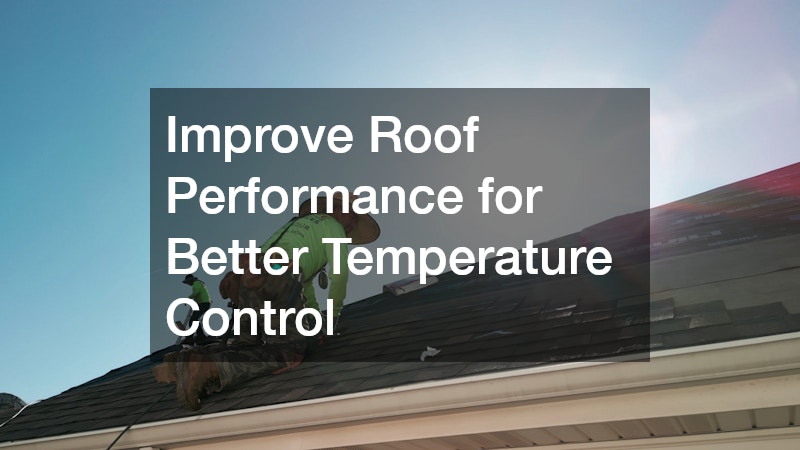
Your home’s upper structure has a direct impact on indoor comfort. Heat naturally rises, and without proper ventilation and protection, it can become trapped or escape in ways that disrupt your home’s efficiency.
Over time, even a well-built roof can develop minor issues that affect performance. Small gaps, aging materials, or insufficient ventilation can all contribute to energy loss.
Consulting experienced roof installers doesn’t necessarily mean committing to a full replacement. Often, they can recommend smaller improvements such as:
- Adding or improving ventilation to regulate attic temperature
- Applying reflective coatings to reduce heat absorption
- Sealing problem areas to prevent air leakage
These adjustments can help stabilize indoor temperatures, especially during extreme weather, and reduce the strain on your heating and cooling systems.
Reduce Water Waste With Smarter Plumbing Choices
Efficiency isn’t just about energy—it’s also about water usage. Small inefficiencies in your plumbing system can lead to significant waste over time.
Older plumbing parts are often the culprits. Worn-out washers, outdated fixtures, or minor leaks can quietly increase your water bills while reducing overall system performance.
Upgrading key components can make a noticeable difference. Low-flow fixtures, for example, maintain strong performance while using less water. Modern faucets and showerheads are designed to optimize pressure without excess consumption.
Working with skilled plumbers can help identify hidden issues that aren’t immediately visible, such as slow leaks behind walls or inefficient pipe layouts. Addressing these problems early prevents further waste and improves overall system efficiency.
Enhance Outdoor Spaces to Support Home Efficiency
What happens outside your home can have a surprising impact on what happens inside. Strategic landscaping can help regulate temperature, reduce energy use, and create a more comfortable living environment.
For example, planting shade trees on the sunniest sides of your home can naturally lower indoor temperatures during warmer months. Over time, this reduces the need for constant cooling.
A professional tree service can help with proper placement, ensuring trees provide maximum benefit without interfering with structures or utilities. They can also maintain tree health, which is essential for long-term effectiveness.
Lawn care also plays a role. Healthy grass and soil retain moisture better, which can cool the surrounding environment. Additionally, thoughtful landscaping can act as a wind barrier, reducing heat loss during cooler months.
These outdoor adjustments may seem subtle, but they contribute to a more efficient home overall.
Add Functional Space Without Major Construction

Sometimes improving efficiency means making better use of the space you already have. Instead of expanding outward with large-scale projects, consider how existing areas can be adapted.
Unused basements, attics, or garages can often be transformed into functional living spaces. This approach avoids the cost and complexity of a full home addition while still increasing usability.
When converting spaces, proper insulation services are essential. Without adequate insulation, these areas can become uncomfortable and inefficient, requiring extra energy to heat or cool.
A small home addition may still make sense in certain cases, especially if it’s designed with efficiency in mind. Keeping the project focused and well-insulated ensures it adds value without unnecessarily increasing energy costs.
Maintain Systems Regularly to Avoid Efficiency Loss
It’s easy to assume that once a system is installed and working, it will continue performing the same way indefinitely. In reality, every system in your home experiences gradual wear. Dust builds up, components loosen, seals degrade, and efficiency slowly declines.
The challenge is that these changes happen quietly. You may not notice a slight drop in airflow or a small increase in water usage right away, but over time, those minor inefficiencies compound. What starts as a barely noticeable issue can turn into higher utility bills, uneven comfort, or even premature system failure.
Consistent upkeep keeps everything operating closer to its original performance level. Instead of reacting to breakdowns, you stay ahead of them.
Catching Small Problems Before They Escalate
One of the biggest advantages of routine maintenance is early detection. Small issues are almost always easier—and cheaper—to fix than major failures.
Take plumbing, for example. A slow drip or minor corrosion in plumbing parts might not seem urgent, but left unaddressed, it can lead to water damage, mold growth, or increased water waste. Replacing a simple component early can prevent a much larger repair later.
The same principle applies to airflow and temperature control. If a vent is partially blocked or a filter is clogged, your system has to work harder to achieve the same result. Over time, that added strain can shorten the lifespan of your equipment.
Think of maintenance as a way to “reset” your systems regularly, keeping them from drifting too far from optimal performance.
What Happens During a Professional Checkup
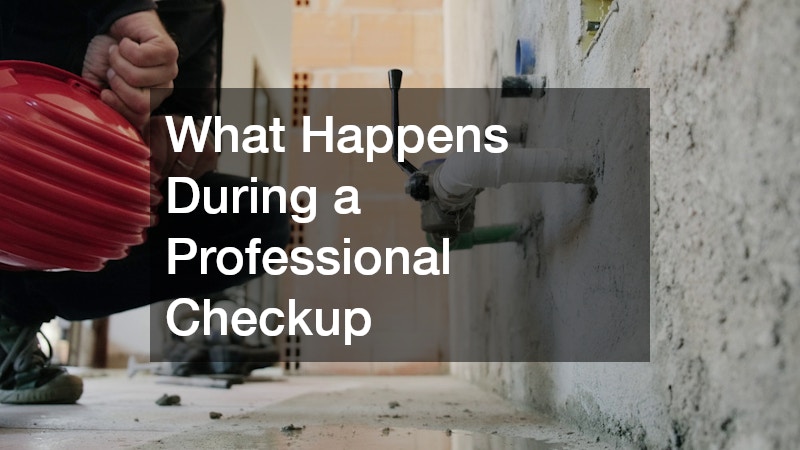
While there’s a lot you can handle yourself, periodic professional inspections add another layer of protection. When you schedule a visit with an HVAC company, they’re not just looking for obvious issues—they’re evaluating the system as a whole.
A typical checkup may include:
- Cleaning internal components that accumulate dust and debris
- Measuring airflow to ensure proper circulation
- Checking connections, belts, and moving parts for wear
- Testing system controls and thermostat accuracy
These visits often uncover inefficiencies that aren’t visible from the outside. For instance, a system might still be running, but doing so in a way that consumes more energy than necessary.
Having an expert fine-tune these details can restore performance and prevent unexpected breakdowns during peak seasons.
Building a Practical Seasonal Routine
You don’t need an extensive checklist to stay on top of maintenance. A few consistent habits, timed with the seasons, can make a significant difference.
At the start of warmer months:
- Replace or clean air filters to improve airflow
- Check vents and registers to ensure they’re open and unobstructed
- Look for any unusual noises or reduced cooling performance
As temperatures begin to drop:
- Inspect visible pipes and fixtures for leaks or condensation
- Make sure heating elements are functioning properly
- Confirm that insulation in accessible areas hasn’t shifted or degraded
Throughout the year:
- Keep an eye on utility bills for unexpected increases
- Address minor issues as soon as they appear
- Maintain clear space around vents and equipment
These small, repeatable actions help maintain consistency. Instead of waiting for something to go wrong, you’re actively supporting your home’s efficiency.
The Long-Term Payoff of Consistency
Regular maintenance doesn’t just preserve performance—it extends the life of your systems. Equipment that’s cleaned, inspected, and adjusted regularly tends to last longer and operate more reliably.
There’s also a noticeable difference in comfort. Rooms heat and cool more evenly, water systems perform more predictably, and you avoid the sudden disruptions that come with neglected equipment.
Perhaps most importantly, maintenance gives you control. Rather than reacting to unexpected repairs or rising costs, you’re managing your home proactively. Over time, that approach leads to fewer surprises, lower expenses, and a home that continues to perform the way it should.
Combine Small Improvements for Maximum Impact

The real power of efficiency comes from combining multiple small changes. While each upgrade may seem modest on its own, together they can significantly reduce energy use and improve comfort.
For instance, pairing improved attic sealing with guidance from roof installers can prevent heat loss from the top of your home. At the same time, upgrading to a more efficient water heater installation reduces energy consumption on the usage side.
The key is to approach improvements strategically. Start with the areas that offer the greatest impact for your budget, then build from there. Over time, these incremental changes create a home that feels more comfortable, operates more efficiently, and costs less to maintain.
Tracking your energy bills before and after making improvements can help you see the difference. Even small reductions add up, reinforcing the value of continued upgrades.
Final Thoughts on Creating a More Efficient Home
Improving home efficiency doesn’t require tearing down walls or committing to expensive renovations. In many cases, the most effective changes are the simplest ones—sealing gaps, maintaining systems, and making thoughtful upgrades over time.
By paying attention to how your home functions day to day, you can identify opportunities to improve comfort and reduce waste without overwhelming projects. Each small step contributes to a more balanced, efficient living space.
The process doesn’t have to happen all at once. Start where it makes the most sense for your home, and build from there. Over time, those incremental improvements will transform how your home feels, performs, and supports your everyday life.