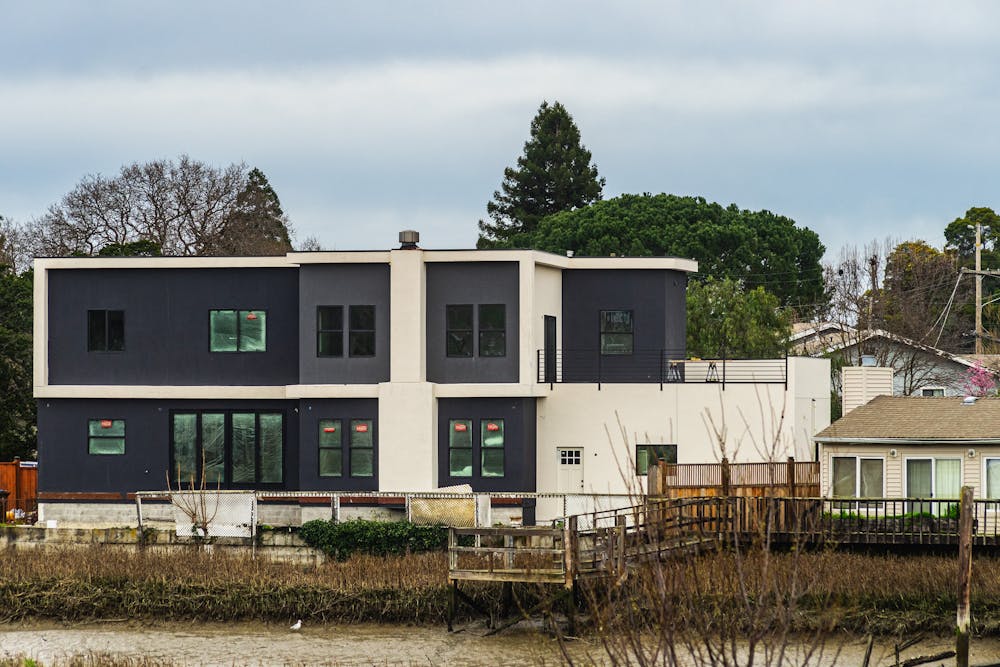
- Minimalist design focuses on simplicity, functionality, and clutter-free living, while contemporary design embraces flexibility, trends, and creative expression.
- Your lifestyle should guide your choice—minimalism suits those who prefer calm and order, while contemporary suits those who enjoy variety and personalization.
- Budget considerations differ: minimalist renovations may require higher upfront investment, whereas contemporary designs allow more flexible spending.
- Maintenance levels vary, with minimalist homes being easier to clean but requiring discipline, and contemporary spaces needing more upkeep due to varied materials.
- Both styles can be blended effectively by starting with a minimalist base and adding contemporary accents for balance.
- The best renovation style is one that aligns with your daily habits, long-term goals, and the overall architecture of your home.
Choosing a design direction is one of the most exciting—and challenging—parts of renovating a home. With so many styles available today, homeowners often find themselves torn between two of the most popular aesthetics: minimalist and contemporary. Both offer clean lines, modern appeal, and functional design, but they differ in philosophy, execution, and overall feel.
Understanding the key distinctions between these styles is essential before committing to a renovation plan. Your choice will influence everything from layout and materials to furniture and lighting. By exploring how minimalist and contemporary designs compare, you can make a confident decision that aligns with your lifestyle, budget, and long-term goals.
What Defines Minimalist and Contemporary Design?
Before diving into comparisons, it’s important to understand what each style truly represents. While both fall under the umbrella of modern design, they are rooted in different principles and aesthetics. Knowing their foundations will help you avoid confusion and ensure your renovation aligns with your vision.
Minimalist design is built on the philosophy of simplicity and intentionality. It emphasizes “less is more,” focusing on essential elements while eliminating clutter and excess decoration. Every piece serves a purpose, and spaces are designed to feel calm, open, and uncluttered.
Contemporary design, on the other hand, reflects current trends and evolving styles. It is more flexible and dynamic, often incorporating a mix of materials, textures, and finishes. Unlike minimalism, contemporary spaces may include bold accents and decorative elements while still maintaining a clean and modern look.
What Are the Key Differences in Aesthetic and Visual Appeal?
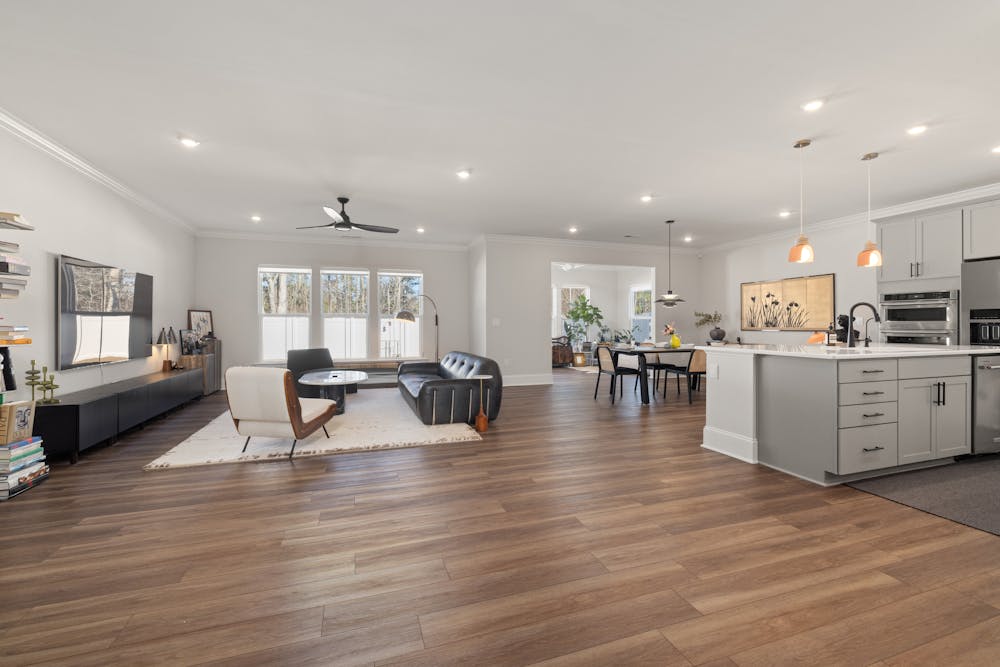
When it comes to visual impact, minimalist and contemporary styles create very different atmospheres. Your choice will determine how your home feels both visually and emotionally. Understanding these differences is crucial for achieving the right ambiance.
Minimalist spaces are defined by neutral color palettes, clean lines, and open layouts. You’ll often see shades of white, beige, and gray dominating the space, with very limited decorative elements. The goal is to create a serene environment that promotes relaxation and clarity.
Contemporary interiors, however, embrace contrast and variety. While they still favor clean lines, they often incorporate bold colors, statement furniture, and eye-catching textures. This style allows for more personality and creativity, making it ideal for homeowners who want a modern yet expressive space.
How Does Functionality Differ Between the Two Styles?
Functionality plays a central role in both minimalist and contemporary designs, but they approach it differently. Your lifestyle and daily routines should heavily influence which style you choose.
Minimalist design prioritizes efficiency and purpose. Every item in the home must serve a clear function, and unnecessary objects are removed. Storage solutions are often hidden, and furniture is chosen for its practicality as much as its appearance.
In contrast, contemporary design balances function with visual interest. While functionality is still important, there is more room for decorative elements and design experimentation. Furniture may be chosen not only for utility but also for its ability to make a statement.
Minimalist vs. Contemporary in Modern Home Renovation
When planning a modern home renovation, choosing between minimalist and contemporary styles will significantly impact your design decisions. From structural changes to finishing touches, each approach requires a different mindset and strategy.
Minimalist renovations often focus on simplifying layouts and maximizing space. This may involve removing walls, reducing visual clutter, and investing in built-in storage solutions. The emphasis is on creating a seamless, cohesive environment with minimal distractions.
Contemporary renovations, meanwhile, allow for more flexibility and creativity. You can experiment with mixed materials like glass, metal, and wood, as well as incorporate unique architectural features. This approach is ideal for homeowners who want a modern look without strict design limitations.
Which Style is More Budget-Friendly?
Budget is a major consideration in any renovation project. While both styles can be tailored to different price ranges, their cost structures often differ depending on materials, finishes, and design complexity.
Minimalist renovations can be cost-effective in some areas because they require fewer decorative elements and furnishings. However, the emphasis on high-quality materials and craftsmanship can drive up costs. For example, sleek cabinetry and seamless finishes often come at a premium.
Contemporary design offers more flexibility in budgeting. You can mix high-end and affordable pieces to achieve the desired look. However, incorporating trendy elements and statement pieces may lead to higher spending if not carefully managed.
Budget considerations for each style:
- Minimalist:
- Higher upfront cost for quality materials
- Savings on decor and accessories
- Long-term durability and timeless appeal
- Contemporary:
- Flexible pricing options
- Potential for overspending on trends
- Easier to update over time
How Do Materials and Textures Compare?
Materials and textures play a significant role in defining the overall look and feel of your home. Each style uses these elements differently to achieve its signature aesthetic.
Minimalist design favors natural and understated materials. Think wood, stone, and matte finishes that blend seamlessly into the space. Textures are subtle and used sparingly to maintain a clean and cohesive look.
Contemporary design, on the other hand, embraces variety and contrast. It often combines different materials such as metal, glass, and polished surfaces. Textures are more pronounced, adding depth and visual interest to the space.
Common material choices:
- Minimalist:
- Light wood and neutral stone
- Matte finishes
- Simple, uniform surfaces
- Contemporary:
- Mixed materials (glass, metal, wood)
- Glossy and reflective finishes
- Layered textures
Which Style is Easier to Maintain?
Maintenance is an often-overlooked factor when choosing a renovation style. The level of upkeep required can impact your daily life and long-term satisfaction with your home.
Minimalist homes are generally easier to maintain because they have fewer items and less clutter. Cleaning is more straightforward, and the simplicity of the design reduces the chances of wear and tear from excessive decor.
However, minimalist spaces require discipline to maintain their clean appearance. Even a small amount of clutter can disrupt the overall look.
Contemporary homes may require more upkeep due to the variety of materials and decorative elements. Surfaces like glass and polished metal can show fingerprints and smudges more easily, requiring regular cleaning.
How Do These Styles Reflect Your Lifestyle?
Your home should reflect how you live, not just how you want it to look. Choosing between minimalist and contemporary design should be based on your habits, preferences, and daily routines.
Minimalist design is ideal for individuals who value simplicity and organization. If you prefer a calm, clutter-free environment and enjoy intentional living, this style may be the perfect fit.
Contemporary design suits those who enjoy change and self-expression. If you like updating your space with new trends and experimenting with design elements, contemporary style offers the flexibility you need.
Can You Combine Minimalist and Contemporary Styles?
Many homeowners assume they must choose one style over the other, but in reality, these styles can be blended effectively. A hybrid approach allows you to enjoy the best of both worlds.
Combining minimalist and contemporary design involves maintaining a clean and uncluttered base while incorporating select statement pieces. For example, you might use a neutral color palette and simple furniture, then add bold lighting fixtures or artwork.
This approach provides balance, ensuring your home feels modern and stylish without becoming overwhelming or overly stark.
Tips for blending styles:
- Start with a minimalist foundation
- Add contemporary accents sparingly
- Focus on balance and cohesion
- Avoid overloading the space with trends
What are the Pros and Cons of Each Style?
Weighing the advantages and disadvantages of each style can help you make a more informed decision. Both minimalist and contemporary designs offer unique benefits, but they also come with certain limitations.
Minimalist Pros and Cons
Pros:
- Timeless and elegant
- Easy to maintain
- Promotes a calm environment
Cons:
- Can feel too plain or sterile
- Requires strict organization
- Limited design flexibility
Contemporary Pros and Cons
Pros:
- Stylish and dynamic
- Allows for personalization
- Adaptable to trends
Cons:
- May become outdated
- Requires more maintenance
- Can feel cluttered if overdone
How to Choose the Right Style for Your Home
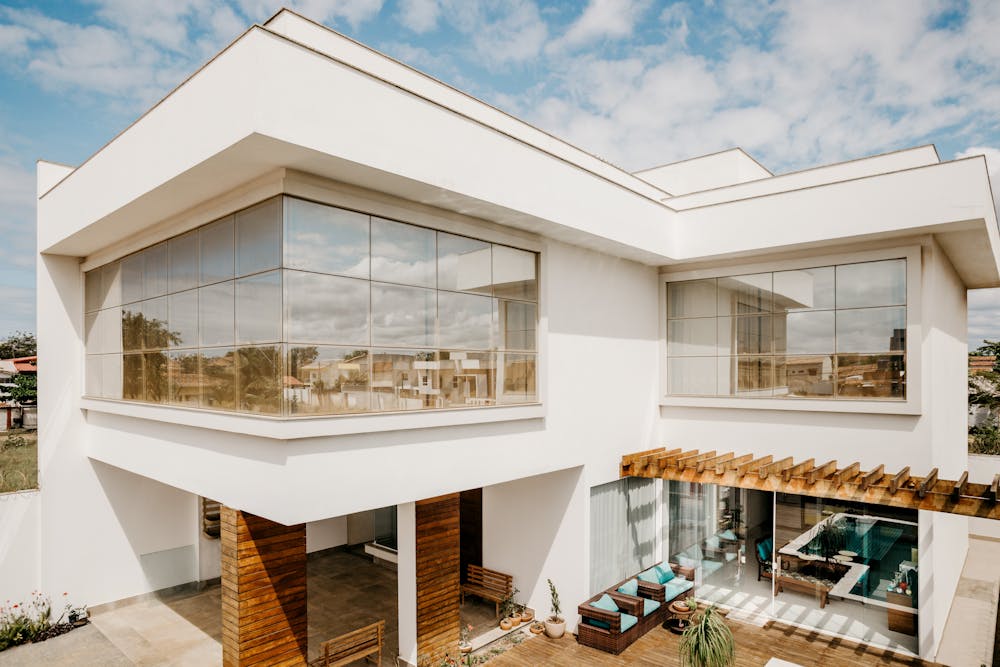
Making the final decision involves more than just aesthetics. You need to consider your budget, lifestyle, and long-term goals. Taking a strategic approach will help you choose a style that you’ll be happy with for years to come.
Start by evaluating your daily habits and preferences. Do you prefer simplicity or variety? Are you comfortable maintaining a clutter-free space, or do you enjoy decorating and updating your home regularly?
Next, consider your budget and renovation scope. Minimalist designs may require higher upfront investment, while contemporary styles offer more flexibility but may involve ongoing updates.
Finally, think about your home’s architecture. Some layouts naturally lend themselves to minimalist design, while others may benefit from the versatility of contemporary style.
Final Thoughts: Finding Your Perfect Balance
Choosing between minimalist and contemporary design doesn’t have to be overwhelming. Both styles offer unique advantages, and the right choice ultimately depends on your personal preferences and lifestyle.
Minimalist design provides a timeless, clutter-free environment that promotes peace and simplicity. Contemporary design, on the other hand, allows for creativity and adaptability, making it ideal for those who enjoy evolving trends.
In many cases, the best solution lies in blending elements of both styles. By combining the simplicity of minimalism with the flexibility of contemporary design, you can create a space that is both functional and visually appealing.