For most homeowners, the roof is an afterthought until water starts dripping through the ceiling. It sits up there, silently shielding your family, your furniture, and your life savings from the elements. But when something goes wrong, the sudden realization that you need a major structural intervention can bring on an immediate wave of anxiety. The primary source of that stress is almost always financial. Roofing projects are notorious for their complex pricing structures, hidden variables, and the massive variance between competing bids.
1. Decoding the Hidden Structural Factors That Drive Roof Pricing
When you receive a quote for a roofing project, the final number is rarely just a reflection of square footage. Roofing professionals calculate costs based on a complex matrix of structural variables unique to your home. The first and most influential factor is roof geometry and pitch. A perfectly flat or gently sloping roof requires less safety rigging and allows workers to move quickly, whereas a steep, high-pitched roof slows production down significantly and demands specialized fall-protection equipment. If your home features complex architectural details like multiple gables, intersecting valleys, dormer windows, or skylights, the labor costs skyrocket because cutting, fitting, and sealing materials around these features is incredibly time-consuming.
Beyond structural complexity, the scale and localized business model of the business you hire play a massive role in how your project is priced. Choosing a smaller, independent local roofer often means lower overhead costs, which can translate into a more competitive price for standard, straightforward projects. These small operations rely heavily on regional word-of-mouth and are highly incentivized to maintain excellent personal relationships with their clients. However, they may lack the sheer manpower or heavy equipment necessary for massive, time-sensitive jobs.
Conversely, aligning yourself with large-scale regional or national roofing companies offers a completely different set of advantages and price drivers. These larger organizations often possess massive supply-chain leverage, enabling them to purchase bulk materials at a discount. They also carry robust internal administrative support, dedicated project managers, and comprehensive corporate warranties. The tradeoff is that their substantial corporate overhead, marketing budgets, and fleet operational costs are factored directly into your estimate. Understanding where your project sits on the spectrum of complexity helps you choose the right organizational scale for your specific budget and home design.
2. Proactive Maintenance Strategies to Prevent Financial Disaster
The absolute best way to manage roof repair costs is to avoid major failures entirely through aggressive, proactive maintenance. Most catastrophic roof failures do not happen overnight; they are the result of minor, unnoticed defects that compound over months or years. For instance, a tiny crack in the flashing around a chimney might allow just a few drops of water into your attic during heavy rains. Left unaddressed for a single year, that minor moisture intrusion can rot out the underlying plywood decking, ruin your insulation, breed dangerous black mold, and ultimately lead to a full-blown structural failure that costs tens of thousands of dollars to remediate.
3. Mastering the Bidding Process to Establish a Market Baseline
One of the most frequent mistakes homeowners make during a roofing crisis is accepting the very first bid they receive out of sheer desperation. This completely eliminates your leverage and leaves you with no frame of reference for what the project should actually cost in your specific geographic market. To establish a true financial baseline, you must commit to collecting at least three to four independent, highly detailed bids for your project. Having multiple numbers side-by-side allows you to instantly spot outliers, whether a quote is suspiciously low or aggressively inflated.
When collecting these bids, the document you receive from roofers must be an itemized, highly specific breakdown rather than a single lump-sum figure scribbled on a notepad. A truly professional roof estimate will clearly delineate the exact costs associated with every single phase of the project. It should explicitly state the cost of tearing off and disposing of the existing layers of roofing, repairing or replacing any damaged plywood decking beneath, installing specialized ice and water shields in vulnerable valleys, replacing all flashings, and the specific brand, line, and color of the final shingles to be applied.
4. Navigating the Complex Realities of Emergency Disaster Scams

When severe weather, such as a hailstorm, high-velocity wind event, or heavy snow accumulation, strikes your region, the local roofing market completely transforms overnight. Suddenly, thousands of homeowners are competing for the attention of a limited pool of qualified laborers. This sudden surge in demand, unfortunately, creates a breeding ground for predatory practices, transient scams, and unqualified entities flooding into the affected area to capitalize on insurance payouts. Homeowners must exercise an elevated level of caution during these chaotic periods to protect their property and insurance funds.
During the aftermath of a major storm, it is common for out-of-state entities, often referred to as storm chasers, to go door-to-door offering free inspections and promising to handle your insurance deductible entirely. Working with these non-local entities poses an extreme financial and structural risk. These crews typically operate under temporary setups, rushing through as many installations as possible using low-grade materials and unverified labor before moving on to the next storm-ravaged town. If your roof begins to leak six months later, you will quickly find that their phone numbers are disconnected, their business entities are dissolved, and you have no legal or physical recourse to enforce their workmanship warranty.
5. Verifying Professional Credentials and Legal Liability Protections
The physical act of replacing a roof is inherently dangerous, highly technical work that carries a significant amount of legal and financial liability. If a worker slips and falls from your roof, or if a heavy bundle of shingles crashes through your living room ceiling during construction, you could be held personally liable for millions of dollars in damages if your contractor is not properly documented. This is why verifying credentials is the single most critical step in the entire vetting process, yet it is the step homeowners most frequently gloss over due to social awkwardness or a false sense of trust.
Beyond insurance, you must rigorously verify that the business holds all required municipal and state operational permissions. You must explicitly verify that the roofing contractors you are considering hold an active, unblemished license that matches the exact legal name of the business entity on your contract. Furthermore, check that these roofing contractors carry the specific classifications required for the height and scope of your particular structure. Taking twenty minutes to run their license numbers through your state’s official consumer protection database protects you from mechanics’ liens, ensures the project complies with local building codes, and confirms you are dealing with a legitimate, law-abiding business entity.
6. Maximizing Long Term Return on Investment via Material Selection
When calculating the true cost of a roof, you must look far beyond the initial installation invoice and consider the total lifecycle cost of the asset. The cheapest material option on day one is almost always the most expensive option over a thirty-year timeframe. For example, traditional low-grade three-tab asphalt shingles are affordable upfront, but they generally carry a lifespan of only fifteen to twenty years, are highly susceptible to wind uplift, and degrade rapidly under intense ultraviolet radiation, requiring complete replacement much sooner than premium alternatives.
If your home features a unique modern layout, steep pitches, or architectural styles that experience intense weather exposure, investing in highly specialized systems is highly advantageous. Consulting with an expert metal roofing contractor allows you to explore standing-seam options that offer unparalleled durability, fire resistance, and wind shedding capability. Additionally, homeowners dealing with flat roof extensions, attached garages, or low-slope modern additions can glean immense value by reviewing techniques traditionally utilized by a commercial roofing service. These heavy-duty application methods, such as single-ply membranes or built-up roofing, provide absolute waterproofing for problematic, low-slope drainage areas that standard residential shingles simply cannot protect.
7. Understanding the Intricacies of Manufacturer and Workmanship Warranties
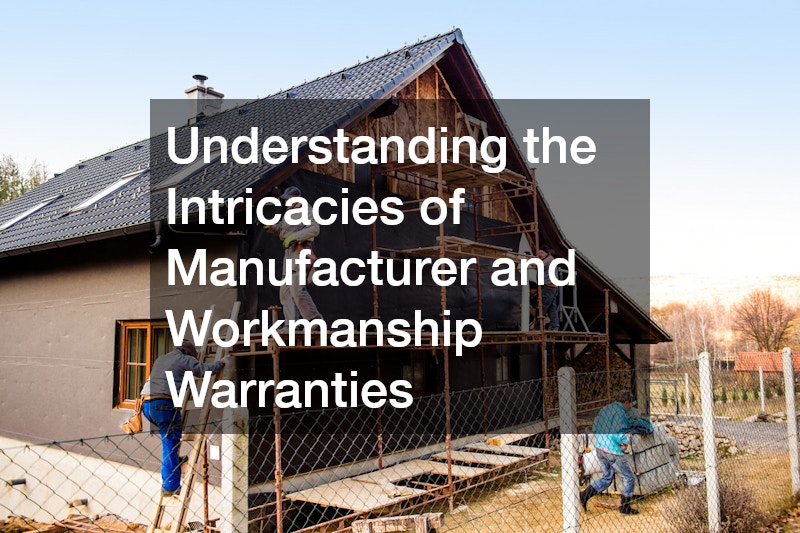
A roofing contract is only as strong as the warranties that back it up. Homeowners are frequently misled by flashy marketing slogans promising lifetime warranties, without realizing that these warranties are strictly divided into two completely separate categories: material warranties provided by the manufacturer, and workmanship warranties provided by the contractor. Understanding the boundaries, exclusions, and fine print of these two separate legal protections is essential for safeguarding your financial investment over the long haul.
A manufacturer’s warranty exclusively covers defects in the physical shingles or underlayment materials themselves, such as premature cracking, blistering, or total granule loss. However, these corporate giants include strict clauses stating that the warranty is entirely void if the materials were installed incorrectly. If a contractor uses the wrong size nails, places the nails in the incorrect location, or fails to install the minimum required ridge ventilation, the manufacturer will completely deny your claim when the shingles fail. This is why it is vital to hire a contractor who holds elite, factory-certified installation statuses, as this often unlocks extended, non-prorated system warranties that cover both materials and labor through the manufacturer itself.
8. Analyzing the Impact of Ventilation and Insulation on Overall Roof Longevity
A roof is not merely a top layer of shingles; it is a complex, living ecosystem that relies heavily on proper thermodynamic balance beneath the surface. Many homeowners spend thousands of dollars replacing their shingles, only to have the new roof fail prematurely because they completely ignored the ventilation and insulation levels inside their attic space. If your attic is not properly ventilated, it will trap immense amounts of heat and moisture, creating a destructive environment that bakes your shingles from the inside out and destroys your structural components.
During the hot summer months, attic temperatures can easily surpass one hundred and fifty degrees Fahrenheit if heat cannot escape. This extreme thermal buildup literally cooks the underside of your roof decking, causing asphalt shingles to blister, curl, and lose their structural integrity rapidly. In the winter, the problem shifts to moisture retention. Warm, humid air from your living spaces migrates up into the cold attic. Without continuous airflow to carry that moisture away, it condenses against the freezing roof decking, leading to wood rot, rusting fasteners, and widespread mold outbreaks that can severely compromise your family’s respiratory health.
9. Preparing Your Property and Managing Logistics on Installation Day
Once you have selected a certified professional, finalized your contract, and scheduled your installation date, your focus must shift toward active logistical preparation. A full roof replacement is essentially a major, highly disruptive construction project occurring directly over your head. Hundreds of heavy bundles of shingles will be moved, thousands of sharp nails will be extracted, and the continuous vibration from hammering can echo throughout your entire home. Proper preparation minimizes property damage, ensures worker safety, and keeps the project moving efficiently.
Your absolute first priority should be clearing the entire perimeter surrounding your home. Move all patio furniture, outdoor grills, potted plants, and children’s toys far away from the drop zone to protect them from falling debris and heavy bundles of old shingles being thrown from the roofline. Park your personal vehicles completely down the street, rather than in the driveway or garage. This ensures your vehicles are completely safe from stray nails, preserves optimal access for the contractor’s heavy disposal containers, and guarantees you will not be accidentally trapped inside your garage when construction begins early in the morning.
10. Navigating Post-Project Inspections and Managing Final Financial Clean Up

The physical construction work may be complete, but your responsibilities as an informed homeowner are not finished until you execute a rigorous post-project inspection and manage the final financial cleanup. Never hand over the final retention payment—which should ideally represent ten to twenty percent of the total project cost—until you have personally walked the property with the project manager, verified the quality of the work, and received all required legal release documentation.
Successfully navigating a major roofing project requires a shift from passive consumption to active, educated project management. By understanding the intricate structural variables that influence labor pricing, proactively managing minor defects before they escalate, and enforcing rigid vetting protocols, you can transform a highly stressful home maintenance crisis into a structured, manageable investment. Remember that your roof is an integrated system; its long-term performance relies as much on proper attic insulation, continuous airflow, and credentialed installation as it does on the raw quality of the exterior shingles. Treat the bidding and documentation process with the professional rigor it deserves, protect your property through careful preparation, and never release final funds until your property is immaculate and all legal liabilities are entirely cleared. Investing the time to master these steps ensures your home remains entirely secure, dry, and financially protected for decades to come.