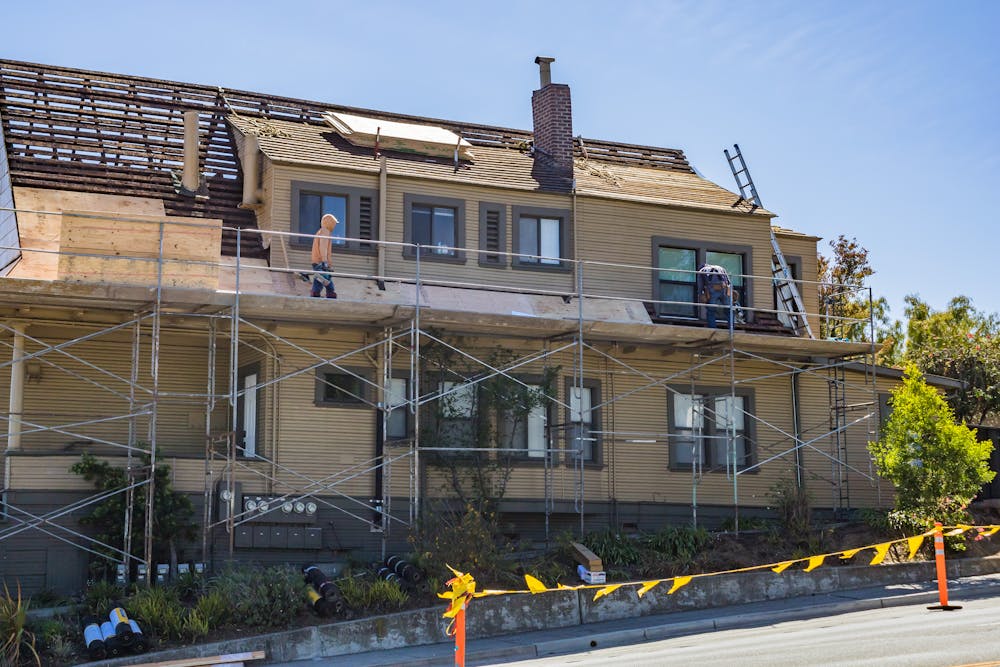
- Old home renovation offers unique charm and customization but often comes with hidden costs and structural challenges.
- Renovating can increase property value, especially when combining classic features with modern upgrades.
- Budgeting is crucial—always set aside an extra 10–20% for unexpected repairs.
- Older homes in prime locations can provide long-term value despite higher upfront renovation efforts.
- Renovation projects can be time-consuming, requiring patience and careful planning.
- Deciding between renovating and buying new depends on your priorities, budget, and willingness to manage risks.
Renovating an old home is a decision many homeowners and buyers wrestle with. While older properties often come with charm, history, and unique architecture, they can also hide costly surprises. Deciding whether to invest in an old home renovation depends on your goals, budget, and tolerance for risk. Some see it as an opportunity to create a dream home, while others view it as a financial gamble.
In this guide, we’ll break down the advantages and disadvantages of renovating an older property. By understanding both sides, you can make a more informed decision and avoid common pitfalls. Whether you’re a first-time buyer or a seasoned homeowner, this article will help you weigh your options carefully.
What Makes Old Home Renovation Appealing?
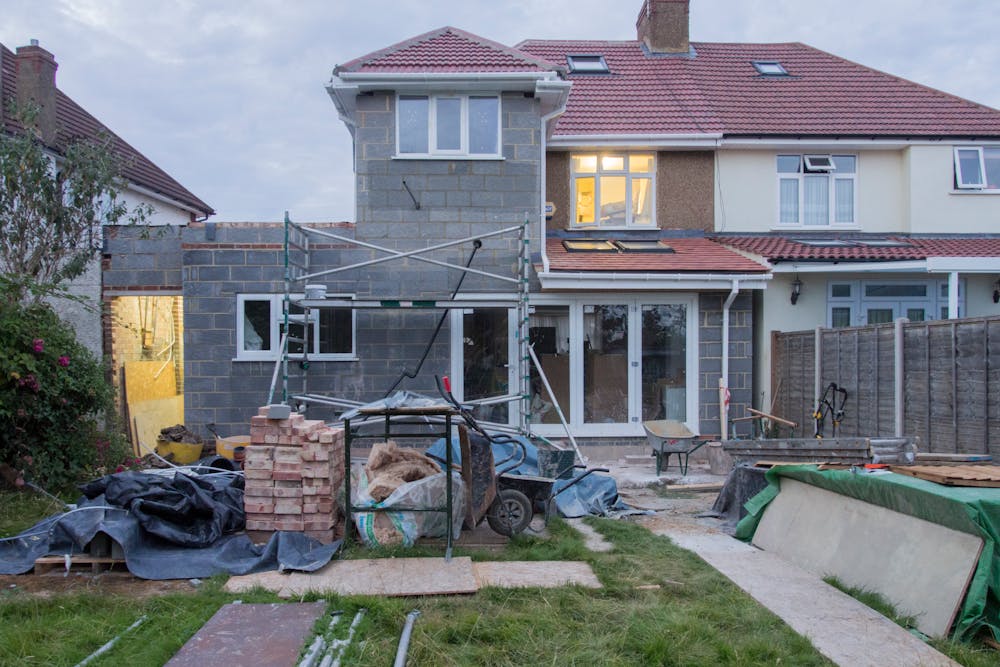
Old homes often carry a sense of character that newer builds struggle to replicate. From intricate woodwork to vintage layouts, these properties can feel more personal and inviting. Many homeowners are drawn to the idea of preserving history while adding modern touches to suit their lifestyle.
Another major appeal is location. Older homes are typically situated in established neighborhoods with mature trees, better infrastructure, and closer proximity to city centers. This can increase both convenience and long-term property value.
Additionally, renovation offers customization. Instead of settling for a cookie-cutter design, you can tailor every detail to your needs. This flexibility makes old home renovation especially attractive for those who want a unique living space that reflects their personality.
Is Old Home Renovation Worth It? Pros and Cons Explained
Before committing to a renovation project, it’s important to evaluate both the benefits and the drawbacks. While the rewards can be significant, the risks should not be underestimated. A balanced perspective helps you prepare for challenges while maximizing potential returns.
Understanding the pros and cons also allows you to plan more effectively. From budgeting to hiring professionals, knowing what to expect can make the process smoother. Let’s explore the key advantages and disadvantages to help you decide if this investment aligns with your goals.
Pros of Old Home Renovation
Renovating an old home can be incredibly rewarding, especially if done thoughtfully. Here are some of the most notable benefits:
- Increased Property Value: Strategic upgrades can significantly boost resale value.
- Customization Opportunities: You can design the home to fit your lifestyle and preferences.
- Preservation of Character: Retain unique architectural features that add charm.
- Potential Cost Savings: Buying an older home may be cheaper than a new build.
Another advantage is the ability to incorporate elements of modern home renovation. By upgrading systems like insulation, lighting, and layouts, you can enjoy the best of both worlds—classic aesthetics with modern functionality.
Cons of Old Home Renovation
Despite the benefits, there are also challenges to consider. Renovating older homes can be complex and unpredictable.
- Hidden Costs: Issues like outdated wiring or plumbing can increase expenses.
- Time-Consuming Projects: Renovations often take longer than expected.
- Structural Problems: Foundations, roofs, and walls may need extensive repairs.
- Permit and Compliance Issues: Older homes may not meet current building codes.
These drawbacks can quickly add up if not managed properly. Without careful planning, what starts as an exciting project can become overwhelming and costly.
How Much Should You Budget for an Old Home Renovation?

Budgeting is one of the most critical aspects of any renovation project. Old homes often require more than cosmetic updates, making it essential to plan for both expected and unexpected expenses. A well-prepared budget can prevent financial stress and keep your project on track.
Start by assessing the home’s current condition. Structural repairs, electrical upgrades, and plumbing improvements should take priority over aesthetic changes. Allocating funds wisely ensures that safety and functionality are addressed first.
It’s also wise to set aside a contingency fund. Experts often recommend reserving at least 10–20% of your budget for unforeseen issues. This buffer can help you handle surprises without derailing your renovation plans.
Should You Renovate or Buy a New Home Instead?
Choosing between renovating an old home and buying a new one depends on your priorities. Both options have their own advantages, and the right choice varies from person to person. Understanding your needs can help you make a more confident decision.
Renovating allows for personalization and can be more cost-effective in certain markets. It’s ideal for those who value character and are willing to invest time and effort into improvements. On the other hand, new homes offer convenience and fewer immediate maintenance concerns.
Consider factors such as budget, timeline, and long-term goals. If you prefer a move-in-ready option, a new home may be the better choice. However, if you enjoy creative control and potential value appreciation, renovation could be worth the investment.
Final Thoughts: Is It the Right Investment for You?
Old home renovation can be both exciting and challenging. It offers the opportunity to create a unique living space while potentially increasing property value. However, it also comes with risks that require careful planning and realistic expectations.
Ultimately, the decision comes down to your financial capacity, vision, and willingness to handle unexpected challenges. By weighing the pros and cons and preparing thoroughly, you can turn an older property into a comfortable and valuable home.